Auto insurance is an essential aspect of vehicle ownership, offering financial protection and peace of mind in the event of an accident. Among the various aspects of auto insurance, terms like “stacked” and “non-stacked” coverage often arise, particularly concerning underinsured motorist protection. This article aims to clarify what non-stacked means in the context of auto insurance and how it affects your coverage, limits, and potential claims.
Understanding Auto Insurance Coverage
Auto insurance encompasses various types of coverage designed to protect you and your vehicle. The primary types of coverage include:
- Liability Coverage: Covers damages you cause to others in an accident.
- Collision Coverage: Pays for damages to your vehicle resulting from a collision.
- Comprehensive Coverage: Covers damages to your vehicle not involving a collision, such as theft or natural disasters.
- Uninsured/Underinsured Motorist Coverage: Protects you if you’re involved in an accident with a driver who lacks sufficient insurance.
Stacked vs. Non-Stacked Coverage
The terms “stacked” and “non-stacked” primarily apply to uninsured and underinsured motorist coverage; Understanding the difference between these two options is crucial for making informed decisions about your auto insurance policy.
Stacked Coverage
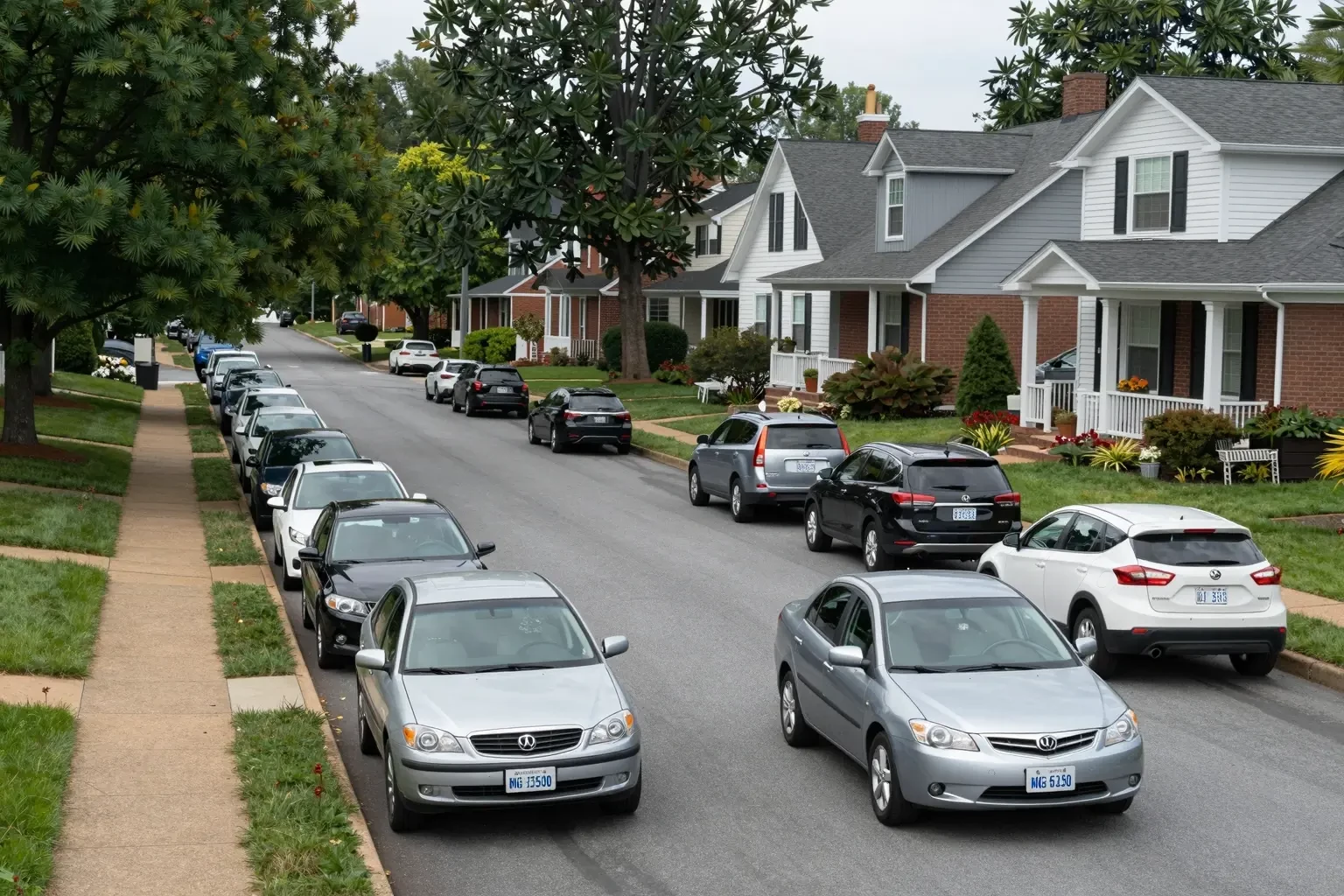
Stacked coverage allows you to combine or “stack” the uninsured/underinsured motorist coverage limits of multiple vehicles on your policy. This increases the amount of protection available to you. For instance, if you have two vehicles, each with $50,000 in underinsured motorist coverage, stacking would provide a total of $100,000 in coverage.
The benefits of stacked coverage include:
- Increased coverage limits across multiple vehicles.
- Enhanced financial protection in the event of a severe accident.
However, stacked coverage typically comes with a higher premium due to the increased risk assumed by the insurer.
Non-Stacked Coverage
Non-stacked coverage, on the other hand, does not allow you to combine coverage limits across multiple vehicles. The coverage limit applies only to the vehicle involved in the accident. Using the previous example, if you have $50,000 in coverage per vehicle, non-stacked coverage means you cannot combine these limits. Each vehicle’s coverage is independent.
The characteristics of non-stacked coverage include:
- Coverage limits are not combined.
- Potentially lower premiums compared to stacked coverage.
Choosing Between Stacked and Non-Stacked Coverage
Deciding between stacked and non-stacked coverage depends on several factors, including your financial situation, risk tolerance, and the number of vehicles you own. Here are some considerations:
- Financial Protection: Stacked coverage offers more robust protection, which can be crucial if you own multiple vehicles and want to maximize your coverage limits.
- Premium Costs: Non-stacked coverage generally has lower premiums, making it an attractive option if you’re budget-conscious.
- Accident Risk: Evaluate your risk of being involved in an accident with an underinsured motorist. Higher risk may warrant opting for stacked coverage.
Legal and Financial Implications
Understanding the legal and financial implications of your choice between stacked and non-stacked coverage is crucial. Some states mandate specific coverage options, while others leave it to the policyholder’s discretion. It’s essential to check your state’s regulations and consider consulting with an insurance expert to ensure you comply with legal requirements while optimizing your financial protection.
Filing Claims with Non-Stacked Coverage
In the event of an accident, filing a claim with non-stacked coverage follows a straightforward process. The insurance company evaluates the claim based on the individual vehicle’s coverage limits. Here are the steps involved:
- Report the Accident: Notify your insurer about the accident as soon as possible.
- Provide Documentation: Submit necessary documents, such as accident reports and medical records, to support your claim.
- Claims Evaluation: The insurer assesses the claim and determines the payout based on your policy’s limits and deductible.
- Receive Compensation: Once approved, you’ll receive compensation up to the coverage limit of the involved vehicle.
It’s important to note that non-stacked coverage may result in lower payouts compared to stacked coverage, especially if damages exceed the individual vehicle’s coverage limit.
Deciphering the nuances of auto insurance, particularly terms like non-stacked coverage, is crucial for making informed decisions about your policy. Non-stacked coverage offers a cost-effective option with distinct limits per vehicle, providing adequate but potentially limited protection in the event of an accident involving an underinsured motorist. Balancing the needs for financial security, budget constraints, and risk tolerance will guide you in choosing the best coverage option to suit your circumstances.
Ultimately, understanding your options and consulting with insurance professionals will empower you to tailor your auto insurance policy to align with your legal obligations and personal protection needs.