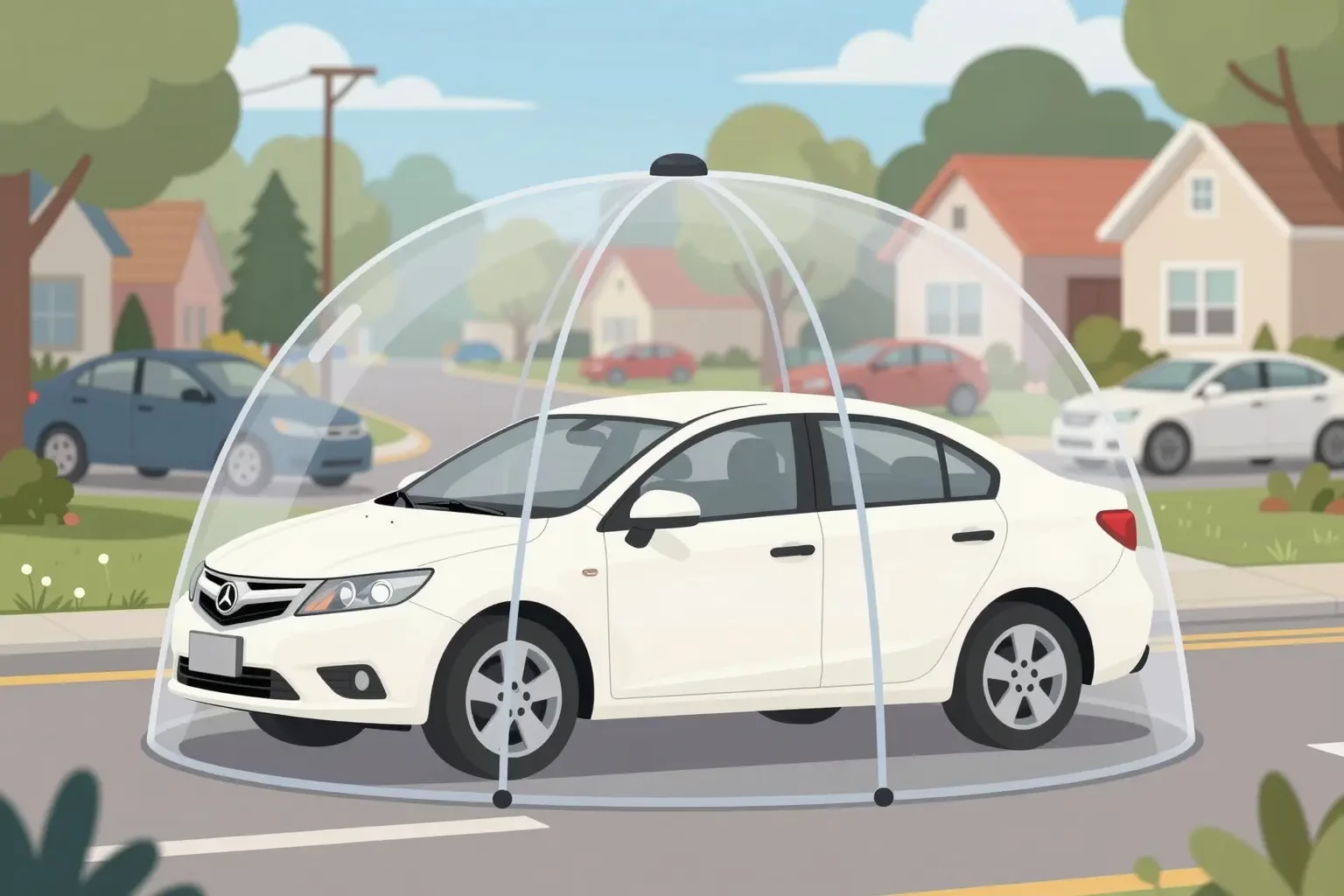
Auto insurance rates can be a significant expense for drivers, but understanding when and how premiums may decrease can help you manage costs effectively․ Various factors play a role in premium reduction, including age, driving experience, and a clean record․ In this article, we’ll explore the key determinants that influence when your auto insurance might go down and how you can take advantage of policy discounts to lower your rates․
Key Factors Influencing Premium Reduction
Age 25
One of the most significant reductions in auto insurance premiums occurs when drivers reach the age of 25․ Insurance providers often consider drivers under 25 as high-risk due to limited driving experience and a higher likelihood of accidents․ However, as drivers gain more experience and reach this age milestone, they are often rewarded with lower insurance rates․
Driving Experience and a Clean Record
Maintaining a clean driving record is crucial for reducing insurance premiums․ Insurance providers offer discounts to drivers who have not been involved in accidents or received traffic violations․ The longer you drive without any incidents, the more you can benefit from accident-free discounts, leading to reduced premiums over time․
Policy Discounts and Renewal Periods
Loyalty Discounts
Staying with the same insurance provider over multiple renewal periods can result in loyalty discounts․ Insurance companies value long-term customers and often provide reduced rates as a token of appreciation for continued business․
Bundling Policies
Another way to reduce premiums is by bundling multiple insurance policies, such as auto and home insurance, with the same provider․ Bundling policies often results in significant discounts, making it an attractive option for policyholders looking to save on insurance costs․
Vehicle and Personal Factors
Vehicle Safety Features
Insurance providers take into account the safety features of your vehicle when determining premiums․ Cars equipped with advanced safety features such as anti-lock brakes, airbags, and electronic stability control can lead to lower insurance rates due to their reduced risk of accidents․
Mileage
Drivers who use their vehicles less frequently may qualify for lower insurance premiums․ Reduced mileage decreases the likelihood of accidents, so insurance companies often provide discounts to low-mileage drivers․
Credit Score
Your credit score can also impact your insurance rates․ A higher credit score is often associated with more responsible financial behavior and can lead to lower premiums․ It’s important to maintain a good credit score to take advantage of potential discounts․
Adjusting Policy Features for Savings
Deductible Adjustments
Choosing a higher deductible can result in lower insurance premiums․ However, it’s essential to ensure that you can afford the deductible amount in the event of a claim․
Coverage Options
Reviewing and adjusting your coverage options annually can help you identify areas where you may be over-insured or under-insured, allowing you to optimize your policy for cost savings․
Safe Driver Programs
Many insurance providers offer safe driver programs that reward good driving behavior with premium reductions․ Participating in these programs and demonstrating safe driving habits can lead to significant savings․
Additional Discounts
Student Discounts
Young drivers who are full-time students may qualify for student discounts if they maintain a good academic record․ This can help offset the higher premiums typically associated with younger drivers․
State Regulations and Insurance Providers
State regulations can influence insurance rates and the availability of discounts․ It’s essential to familiarize yourself with the regulations in your state and to shop around for different insurance providers to find the best rates and discounts available․
Auto insurance premiums can go down for various reasons, including reaching age milestones, maintaining a clean record, and taking advantage of discounts offered by insurance providers․ By understanding the factors that affect your rates and actively managing your policy through annual reviews and adjustments, you can reduce your insurance costs significantly․ Stay informed about your options, and don’t hesitate to explore different providers and programs to ensure you’re getting the best deal possible․