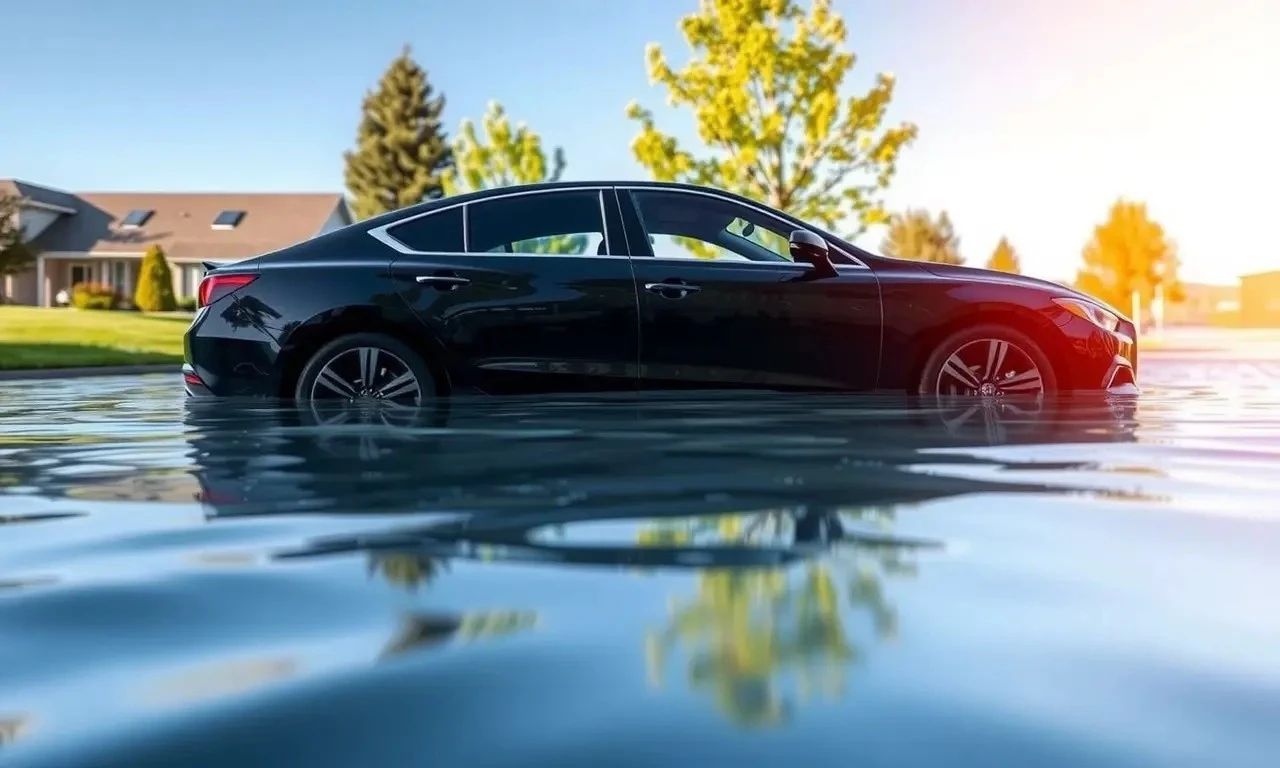
When it comes to protecting your vehicle‚ understanding what your auto insurance covers in the event of water damage is crucial․ Water damage can arise from various sources‚ such as floods‚ storms‚ or even accidental water exposure․ Knowing the specifics of your coverage can save you from unexpected expenses and stress․
Understanding Your Auto Insurance Policy
Your auto insurance policy is composed of different types of coverage‚ each designed to protect you from specific risks․ For water damage‚ the most relevant type of coverage is comprehensive insurance․
Comprehensive Insurance and Water Damage
Comprehensive insurance is a type of coverage that helps pay for damage to your vehicle not caused by a collision․ This includes damage from natural disasters such as floods and storms‚ as well as weather-related incidents․ If your vehicle is damaged due to a flood‚ comprehensive insurance typically covers the repairs needed․
Exclusions and Limitations
While comprehensive insurance offers significant protection‚ it is essential to be aware of potential exclusions․ Most policies do not cover water damage resulting from negligence‚ such as leaving windows open during a rainstorm․ Additionally‚ certain insurers may have specific exclusions for flood-prone areas․
Filing a Claim for Water Damage
If your vehicle suffers water damage‚ you will need to file a claim with your insurance provider․ Here’s how the process generally works:
- Assess the damage and take photos for documentation․
- Contact your insurer to report the damage․
- Follow the insurer’s instructions for getting an estimate on the repairs․
- Pay the deductible‚ which is your out-of-pocket expense before coverage kicks in․
It’s important to note that the amount you receive will be reduced by your deductible․
Other Types of Coverage
While comprehensive insurance is the primary coverage for water damage‚ it’s worth understanding other types of auto insurance:
- Liability Insurance: Covers damages you cause to others but not to your vehicle․
- Collision Insurance: Covers damage to your vehicle from collisions but not from water․
Impact of Water Damage on Premiums
Filing a claim for water damage can potentially affect your premium․ Insurers may increase your rates after a claim‚ so it’s important to weigh the cost of repairs against potential premium hikes․
Preventive Measures and Additional Protection
To minimize the risk of water damage‚ consider the following preventive measures:
- Park your vehicle in a garage or elevated area during storm damage․
- Regularly check weather forecasts to avoid parking in flood-prone areas․
For those living in flood-prone areas‚ additional protection may be necessary․ Consider purchasing a separate flood insurance policy if available․
Understanding your auto insurance policy is essential to ensuring adequate coverage for water damage․ Comprehensive insurance offers protection against floods and other weather-related incidents‚ but be aware of exclusions and how claims can affect your premium․ By taking preventive measures‚ you can protect your vehicle and potentially reduce the need for filing claims․