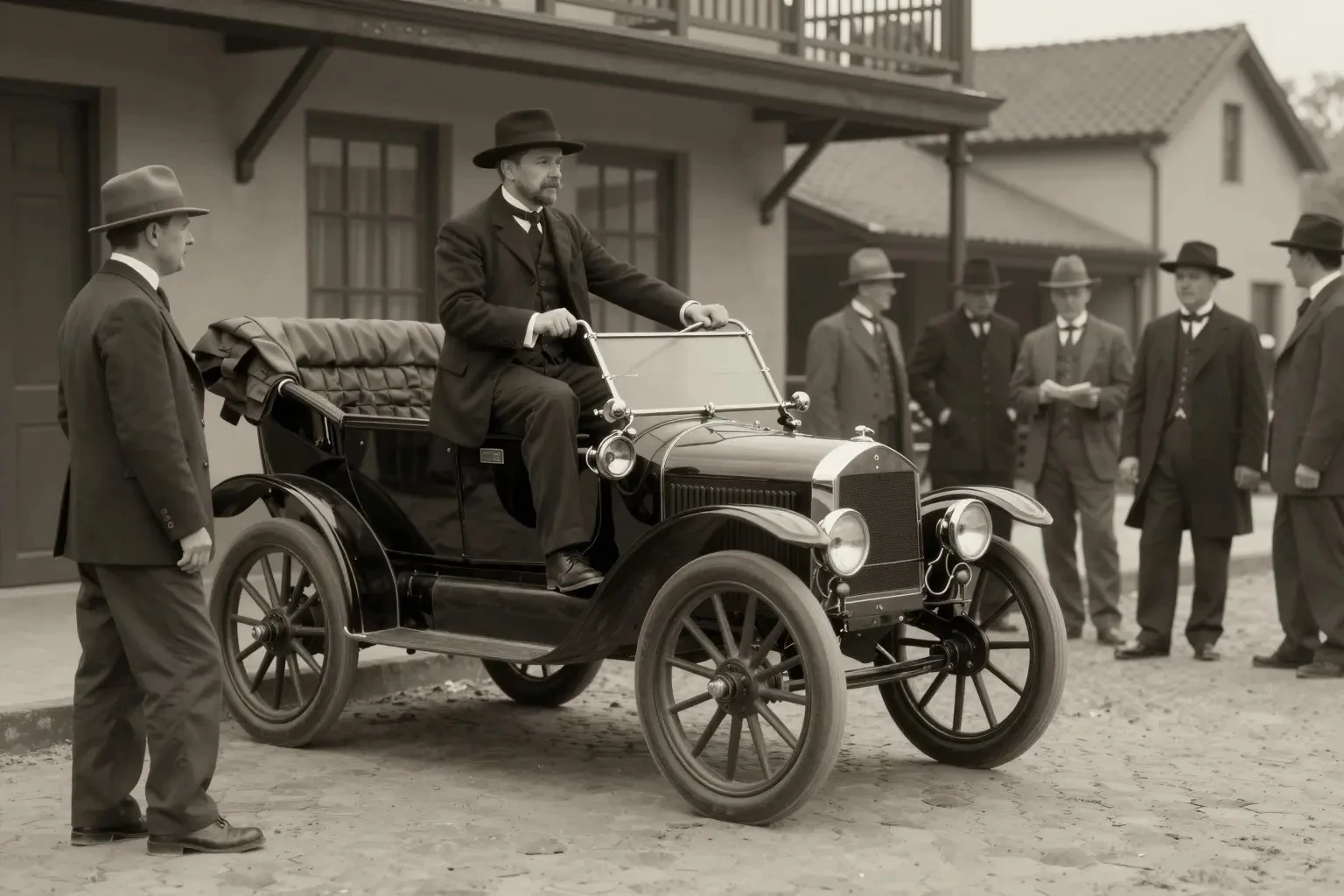
The invention of the automobile brought with it not only a revolution in personal and commercial transportation but also a need for a new financial product: auto insurance․ As vehicles became more prevalent, the risks associated with driving and owning an automobile necessitated the creation of a system that could provide financial security and protection in the event of an accident․ This article explores the history and evolution of auto insurance, from its inception to its current state as a critical component of risk management and financial security for drivers worldwide․
Early Beginnings of Auto Insurance
The history of auto insurance dates back to the late 19th and early 20th centuries, coinciding with the advent of the automobile․ The first known auto insurance policy was issued in 1897 in Dayton, Ohio․ Gilbert J․ Loomis, a resident of the city, is credited with purchasing the first auto insurance policy from the Travelers Insurance Company․ This policy was designed to cover liability, providing protection against damages that Loomis might cause to others while operating his vehicle․
Why Auto Insurance Was Necessary
The invention of the automobile introduced new risks and potential liabilities․ As more people began owning vehicles, the likelihood of accidents increased, highlighting the need for a system to manage these risks․ Auto insurance was invented as a means of providing financial security to vehicle owners, ensuring that they would not be financially devastated by the costs associated with accidents, including damages, medical expenses, and potential legal liabilities․
Development of Auto Insurance Policies
Initially, auto insurance policies primarily focused on liability coverage, protecting drivers against the financial implications of causing injury or damage to others․ Over time, the scope of coverage expanded to include protection for the automobile itself, covering damages resulting from accidents, theft, and other risks․ This evolution was driven by the need for comprehensive risk management solutions that addressed the diverse challenges faced by vehicle owners․
The Growth of the Auto Insurance Industry
As the number of automobiles on the road increased, so did the demand for auto insurance․ The industry experienced significant growth throughout the 20th century, with insurance companies developing more sophisticated underwriting processes to evaluate risk and determine premiums․ By assessing factors such as driver history, vehicle type, and geographic location, insurers could tailor policies to individual risk profiles, ensuring better protection and financial security for policyholders․
Legal Requirements and Standardization
Over time, many governments recognized the importance of auto insurance in promoting road safety and protecting citizens․ As a result, legal requirements mandating insurance coverage were introduced in various jurisdictions․ These regulations not only ensured that drivers maintained financial responsibility but also contributed to the standardization of auto insurance policies and practices across the industry․
Challenges and Innovations in Auto Insurance
The auto insurance industry has continually evolved to address new challenges and leverage technological advancements․ The rise of digital technology has enabled insurers to streamline claims processes, enhance customer service, and offer innovative products such as usage-based insurance․ Furthermore, the advent of autonomous vehicles and other technological innovations presents both challenges and opportunities for the industry, necessitating ongoing adaptation and innovation․
The Role of Underwriting and Claims
Underwriting remains a critical component of the auto insurance process, allowing insurers to assess risk and determine appropriate premiums․ Advances in data analytics have enhanced the ability of underwriters to evaluate risk more accurately, leading to more personalized and competitive policy offerings․ Similarly, claims processing has benefited from technological advancements, with automated systems improving efficiency and reducing the time required to resolve claims․
Future Trends and Considerations
Looking ahead, the auto insurance industry is poised to undergo further transformation as emerging technologies continue to reshape the landscape․ The increasing prevalence of electric and autonomous vehicles, coupled with advancements in telematics and data analytics, will likely drive significant changes in how insurers assess risk and provide coverage․ Additionally, evolving consumer preferences and regulatory developments will continue to influence the industry’s trajectory, necessitating ongoing adaptation and innovation․
Since its inception in the late 19th century, auto insurance has evolved into a vital component of the modern financial landscape, providing essential protection and risk management for vehicle owners worldwide․ The industry’s ability to adapt to changing technologies, consumer needs, and regulatory environments has ensured its continued relevance and importance․ As we look to the future, the ongoing evolution of auto insurance will undoubtedly play a critical role in shaping the way we manage risk and protect our financial security in an increasingly complex and interconnected world․