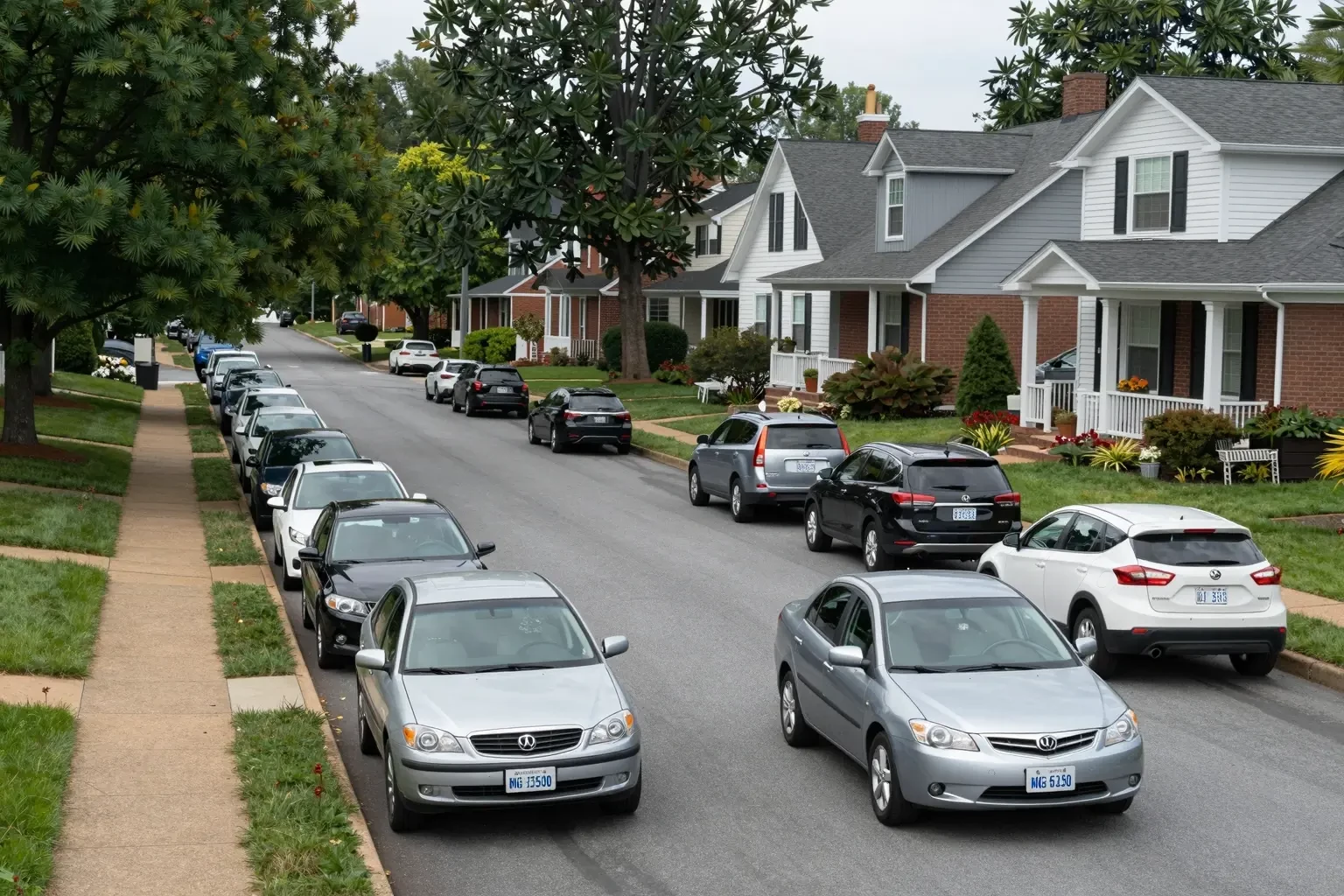
Auto insurance rates in Georgia are notoriously high compared to many other states in the United States. Several factors contribute to this phenomenon‚ influencing premiums and making it a challenging environment for both drivers and insurance companies. In this article‚ we will explore these factors‚ ranging from traffic congestion and accident frequency to legal requirements and fraud‚ to understand why auto insurance is so expensive in Georgia.
Traffic Congestion and Accident Frequency
One of the primary reasons for high auto insurance rates in Georgia is the significant traffic congestion‚ especially in urban areas like Atlanta. More vehicles on the road inevitably lead to a higher frequency of accidents. Insurance companies assess risk based on the likelihood of claims‚ and areas with dense traffic and frequent accidents pose a greater risk. As a result‚ premiums increase to cover the potential cost of claims arising from these incidents.
Legal Requirements and Liability Coverage
Georgia has specific legal requirements when it comes to auto insurance. Drivers must carry a minimum level of liability coverage to protect against damages caused to other drivers in the event of an accident. This includes bodily injury liability and property damage liability. These mandatory coverages ensure that all drivers have a basic level of protection‚ but they also contribute to the overall cost of insurance premiums.
Uninsured Drivers
The presence of uninsured drivers on Georgia’s roads is another significant factor contributing to high insurance rates. When drivers without insurance are involved in accidents‚ insured drivers and their insurance companies often bear the financial burden. This scenario leads to increased claims and higher costs for insurance companies‚ which get passed on to consumers in the form of higher premiums.
Weather Conditions
Georgia’s weather conditions also play a role in the cost of auto insurance. The state experiences a variety of weather patterns‚ including heavy rain‚ thunderstorms‚ and occasional ice storms. These conditions can increase the likelihood of accidents and vehicle damage‚ thereby raising the risk for insurers and contributing to higher premiums.
Fraud and Insurance Claims
Insurance fraud is a pervasive issue that affects rates across the country‚ and Georgia is no exception. Fraudulent claims can include staged accidents‚ exaggerated injuries‚ and false reports‚ all of which inflate the number and cost of claims that insurers must pay. This fraudulent activity increases the overall risk and cost of providing insurance‚ leading to higher premiums for honest drivers.
Cost Factors and Risk Assessment
Insurance companies use complex algorithms and data analysis to assess the risk associated with insuring drivers. Factors such as a driver’s age‚ driving history‚ credit score‚ and vehicle type are considered in determining premiums. However‚ broader cost factors‚ including regional risk assessments and the overall risk environment in Georgia‚ heavily influence the base rates set by insurers.
Urban Areas and Population Density
Georgia’s urban areas‚ particularly Atlanta‚ have dense populations and high vehicle concentrations‚ which contribute to elevated insurance costs. More people and vehicles in concentrated areas increase the likelihood of accidents and claims‚ thus raising the risk for insurers. Insurance companies account for this increased risk when setting premiums‚ leading to higher costs for drivers in these regions.
In summary‚ the high cost of auto insurance in Georgia is a product of multiple interrelated factors. Traffic congestion‚ accident frequency‚ legal requirements‚ the prevalence of uninsured drivers‚ and adverse weather conditions all contribute to a challenging risk environment. Additionally‚ issues such as fraud and the specific characteristics of urban areas further complicate the insurance landscape. While these factors drive up premiums‚ understanding them can help consumers make informed decisions and potentially seek ways to mitigate their insurance costs.