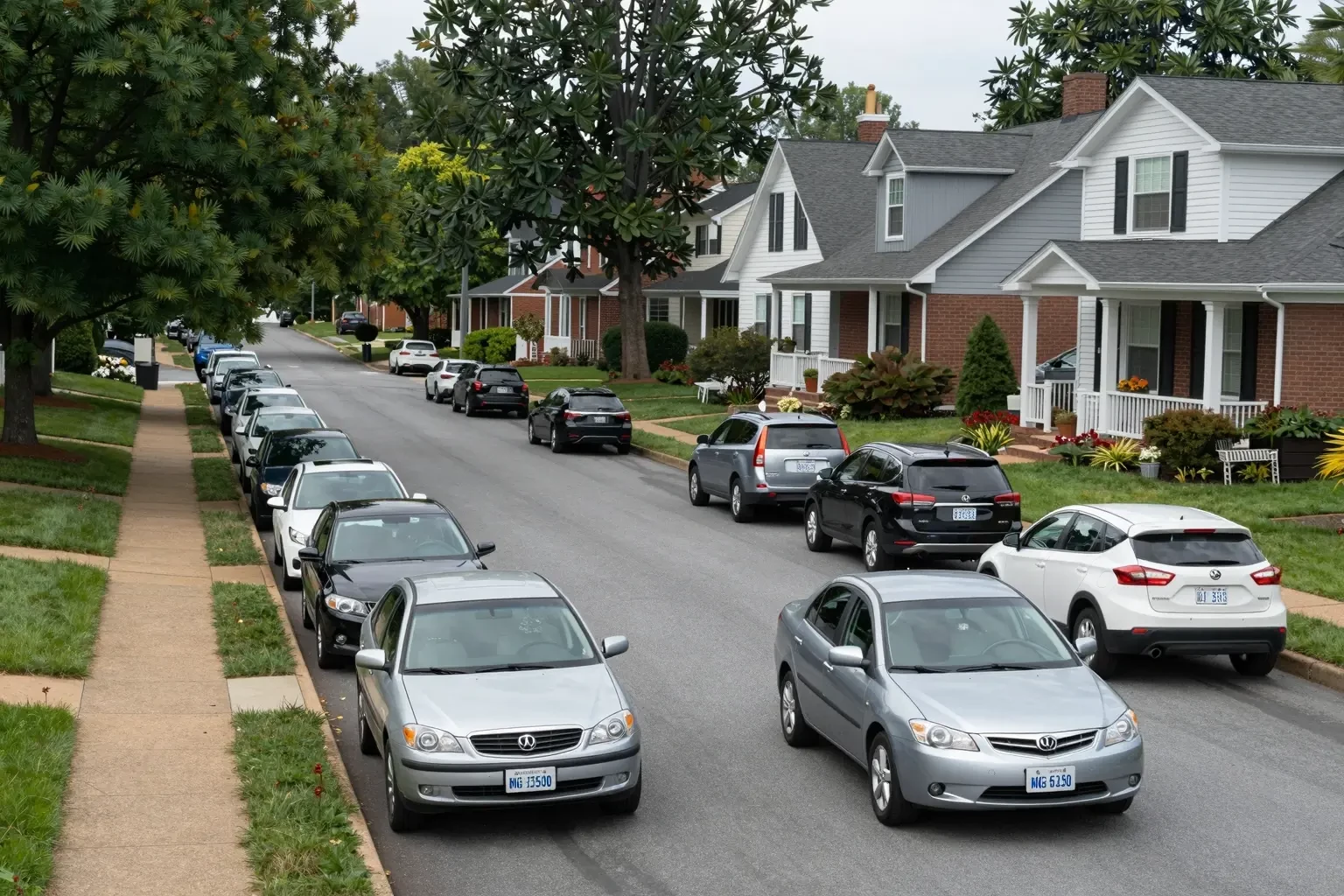
Auto insurance premiums can be a significant expense for many drivers. However‚ understanding how certain driving behaviors impact these premiums can lead to substantial savings. By implementing telematics and embracing safe driving practices‚ policyholders can benefit from reduced premiums. This article explores the role of driving behavior in influencing auto insurance premiums‚ focusing on telematics‚ risk assessment‚ and accident prevention strategies;
Telematics and Its Role in Safe Driving
Telematics technology has revolutionized the way insurers assess driving behavior. This system involves the use of GPS and onboard diagnostics to record and transmit data about a vehicle’s usage. Key metrics such as speed‚ mileage‚ braking patterns‚ and time of day when driving occurs are collected. By analyzing this data‚ insurers can gain insights into a driver’s habits‚ leading to more accurate risk assessment and personalized insurance policies.
Driving Behavior and Risk Assessment
Insurers focus on driving behavior as a critical factor in determining insurance premiums. Safe driving habits‚ such as adhering to speed limits‚ avoiding harsh braking‚ and maintaining consistent speeds‚ are positively rewarded. As a result‚ drivers with responsible driving records are often deemed lower risk‚ which can translate into policy discounts and lower premiums.
Accident Prevention and Policy Discounts
Safe driving not only reduces the likelihood of accidents but also enhances overall road safety. Drivers who demonstrate accident-free records are more likely to receive policy discounts. Insurers recognize the reduced risk of claims from these drivers and often pass on the savings in the form of lower premiums.
Usage-Based Insurance and Driver Monitoring
Usage-based insurance (UBI) is a model that utilizes telematics to monitor actual driving behavior and calculate premiums accordingly. This approach‚ also known as pay-as-you-drive‚ allows insurers to offer premium reduction for low-risk drivers. UBI programs promote responsible driving by linking premiums directly to driving habits and mileage.
Reducing Claim Frequency with Better Driving Habits
Improving driving habits can significantly reduce the frequency of insurance claims. Drivers who practice safe driving are less likely to be involved in accidents‚ leading to fewer claims and‚ subsequently‚ lower premiums. Insurers value this reduced claim frequency‚ rewarding drivers through financial incentives.
Mileage Tracking and Premium Reduction
Another factor influencing premiums is the total distance driven‚ which is carefully monitored through telematics. Mileage tracking allows insurers to assess risk based on the amount of time spent on the road. Drivers who travel fewer miles are often considered lower risk‚ resulting in potential premium reduction.
Incorporating Safety Features
The inclusion of advanced safety features in vehicles can also contribute to lower insurance premiums. Features such as anti-lock brakes‚ airbags‚ and collision avoidance systems reduce the likelihood of accidents‚ thereby lowering the risk for insurers. As a result‚ vehicles equipped with these technologies may qualify for additional discounts.
Encouraging Responsible Driving
Ultimately‚ promoting responsible driving is key to maintaining lower insurance premiums. Insurers encourage drivers to adopt safe driving habits through educational programs and incentives. By aligning financial rewards with positive driving behavior‚ insurers foster a culture of safety and accountability among drivers.