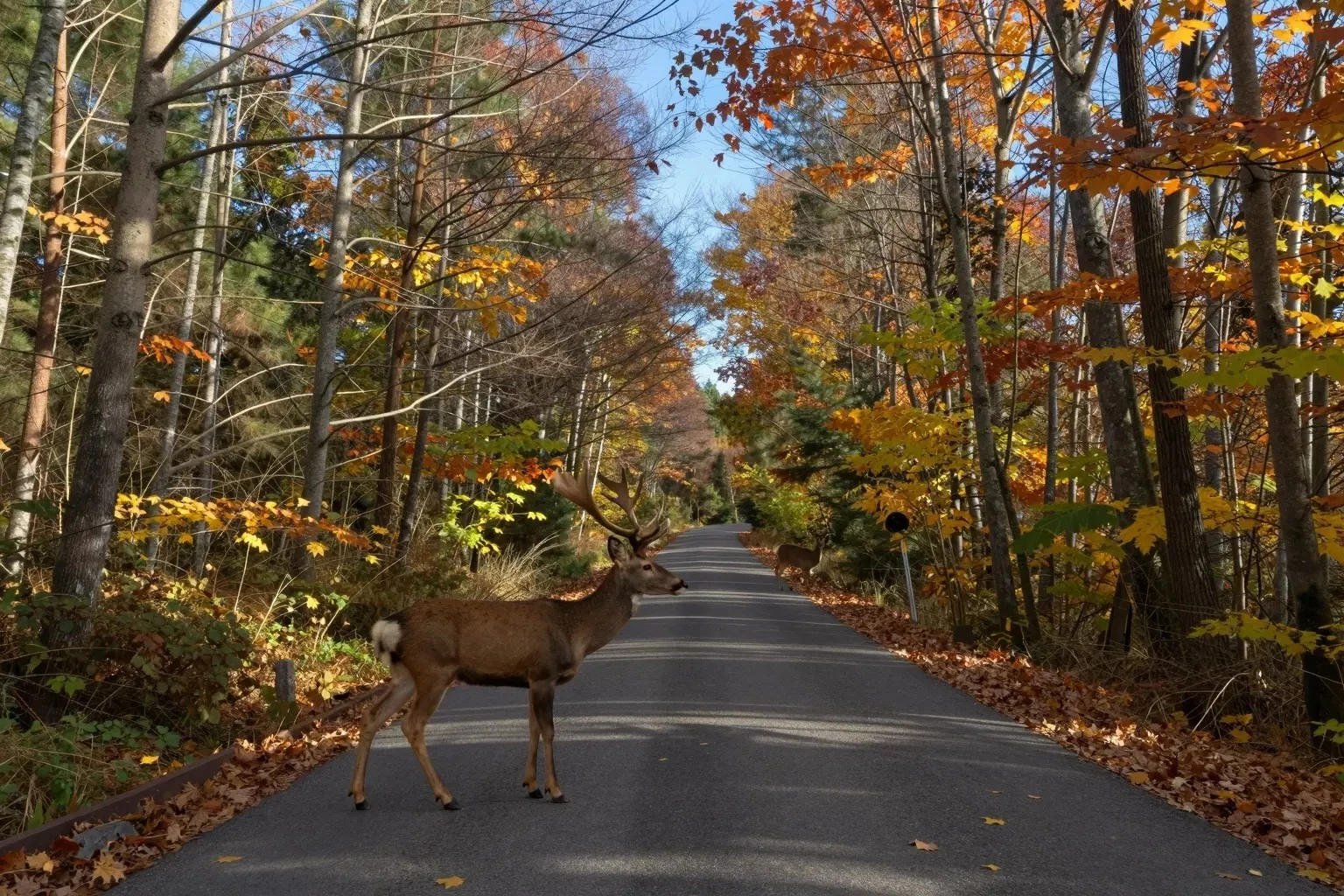
Every year, wildlife accidents involving deer lead to numerous auto insurance claims․ With deer populations thriving in many areas, these types of incidents are relatively common, particularly during mating and migration seasons․ Understanding how your auto insurance policy handles such events is crucial for ensuring you’re adequately protected․ This article will explore the nuances of policy coverage concerning deer accidents, focusing on collision and comprehensive coverage, and what steps you should take following a wildlife accident․
Understanding Policy Coverage: Collision vs․ Comprehensive Coverage
Auto insurance policies typically offer different types of coverage that may apply to hitting a deer: collision coverage and comprehensive coverage․ Understanding the difference between these can help you determine the extent of your protection․
Collision Coverage
Collision coverage is designed to cover vehicle damage resulting from a crash with another vehicle or an object, such as a tree or guardrail․ However, when it comes to wildlife accidents, collision coverage might not apply․ This is because hitting a deer is usually considered an “act of nature” rather than a typical collision event․ Therefore, relying solely on collision coverage may leave gaps in your protection․
Comprehensive Coverage
Comprehensive coverage, on the other hand, often includes damage caused by incidents other than typical collisions․ This includes theft, vandalism, natural disasters, and importantly, wildlife accidents․ If you have comprehensive coverage, your insurance policy is more likely to cover the repair costs associated with hitting a deer․ This type of policy coverage can be a vital safety net, ensuring that you are not financially burdened by an unfortunate deer accident․
Steps to Take After Hitting a Deer
In the unfortunate event of a deer accident, knowing the appropriate steps to take can help you manage the situation effectively and ensure a smooth insurance claim process․
Ensure Safety First
Immediately after hitting a deer, check yourself and your passengers for any injuries․ If anyone is hurt, call emergency services right away․ Safety should always be your top priority․
Move Your Vehicle
If possible, move your vehicle to a safe location off the road to prevent further accidents․ Turn on your hazard lights to alert other drivers to your presence․
Document the Incident
Take detailed photos of the scene, including the vehicle damage and any relevant surroundings․ This documentation can be crucial for your insurance claim․ Additionally, make a note of the time, date, and location of the accident․
File an Accident Report
Contact local law enforcement to file an accident report․ Having an official report can support your insurance claim and might be required by your insurer․
Contact Your Insurance Company
Notify your insurance company as soon as possible to start the claims process․ Provide them with all the necessary information and documentation, including the accident report and photos․
Insurance Claim and Deductibles
When you file an insurance claim for hitting a deer, be prepared to pay a deductible․ This is the amount you must cover out-of-pocket before your insurance coverage kicks in․ The deductible amount varies based on your policy and can impact your decision to file a claim, especially if the vehicle damage is minor․
Road Safety and Driver Responsibility
While insurance can offer financial protection, practicing road safety and exercising driver responsibility are crucial in reducing the risk of deer accidents․ Here are some tips to consider:
- Be Vigilant: Deer are most active during dawn and dusk․ Stay alert and watch for deer crossing signs․
- Use High Beams: When driving at night and in areas prone to deer activity, use your high beams to increase visibility․
- Slow Down: Reducing speed can give you more time to react if a deer suddenly appears on the road․
Understanding your insurance policy and its coverage for deer accidents is essential for financial protection and peace of mind․ Comprehensive coverage is typically what you’ll need to cover damage from hitting a deer․ By following proper procedures after an incident and maintaining road safety, you can mitigate the risks and handle any wildlife accidents more effectively․