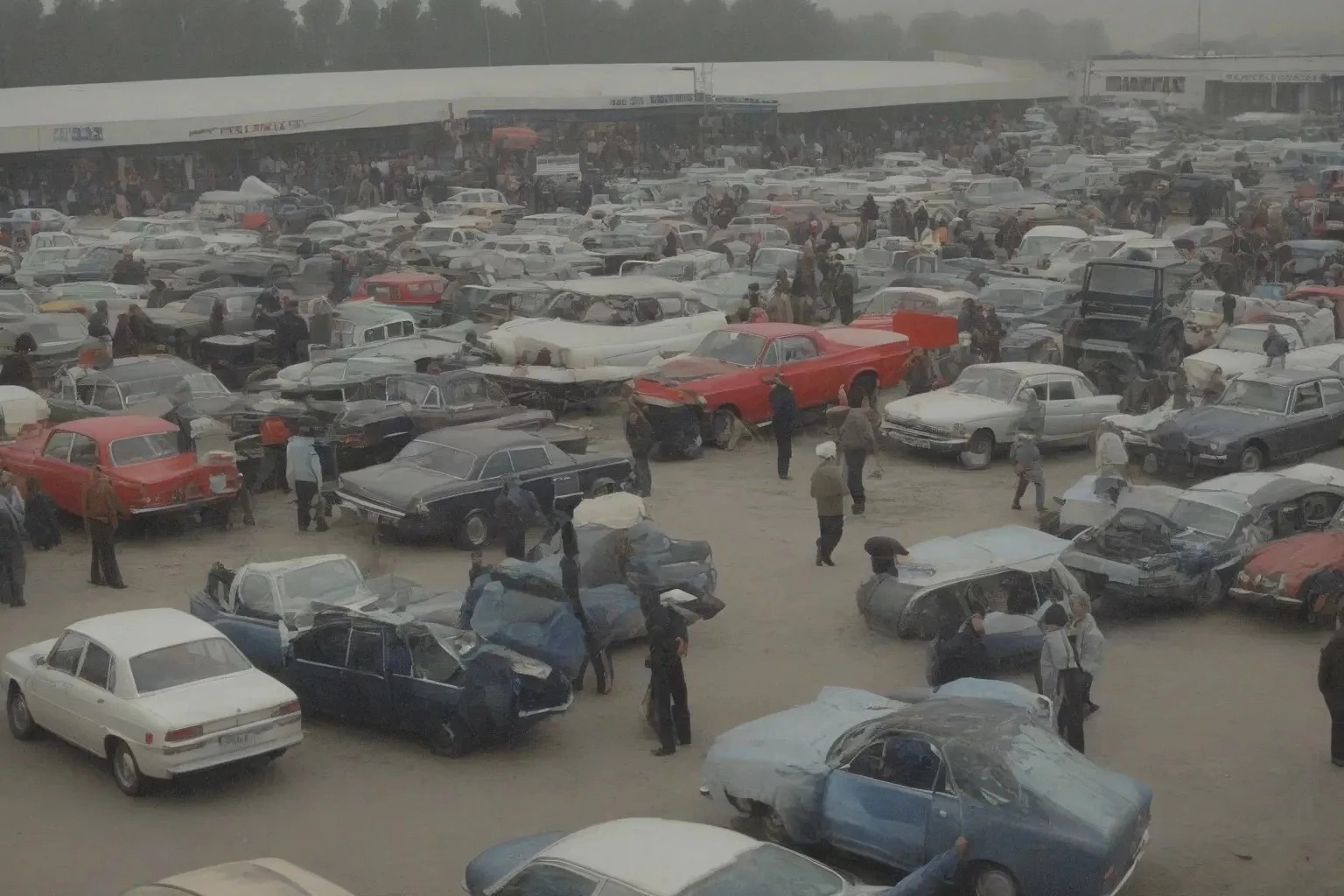
Insurance auto auctions are a unique segment of the vehicle market where cars and trucks, often with a history of damage or claims, are bought and sold. These auctions provide an opportunity for buyers and sellers to engage in the exchange of vehicles under special conditions. Let’s delve into the dynamics of insurance auto auctions and understand how they function.
What Are Insurance Auto Auctions?
Insurance auto auctions are specialized events where vehicles, typically deemed total loss or salvage by insurance companies, are sold to the highest bidder. These auctions can be held either in physical locations or via an online platform, making them accessible to a wider audience of buyers and sellers.
The Role of Insurance Companies
When a vehicle is involved in an accident and the cost of repair is considered too high relative to its value, insurance companies declare it a total loss. These cars are then moved to the auction house, where they can be sold as salvage vehicles. The insurance claims process often results in vehicles being repossessed and brought to auction to recoup some of the costs.
Types of Vehicles Sold
Vehicles sold at insurance auto auctions typically include:
- Salvage Cars: Vehicles damaged in accidents, floods, or other incidents.
- Reposessed Vehicles: Cars and trucks repossessed due to non-payment of loans.
- Damaged Vehicles: Those with mechanical issues or minor damages that are deemed repairable.
The Auction Process
Bidding and Buying
Interested buyers participate in bidding at these auctions, aiming to purchase vehicles at competitive pricing. The auction process involves several steps:
- Registration: Buyers must register with the auction house, which may require a fee.
- Inspection: Potential buyers are often allowed to inspect vehicles before bidding, though sometimes only online listings are available.
- Bidding: Auctions can be live, online, or a combination of both, allowing for a broader range of participation.
- Winning the Bid: The highest bidder wins the auction and must complete the purchase, including title transfer and payment of any fees.
Selling Vehicles
Sellers, often insurance companies or financial institutions, present their vehicles at these auctions to reach a large pool of potential buyers. The auction house facilitates the sale, handling logistics and ensuring a smooth transaction process.
Benefits and Challenges
For Buyers
Insurance auto auctions offer several benefits to buyers, including:
- Access to a Variety of Vehicles: A wide range of cars and trucks in different conditions are available.
- Competitive Pricing: Buyers can purchase vehicles at lower prices compared to the retail market.
- Potential for Profit: Savvy buyers can find repairable vehicles, fix them, and sell at a profit.
For Sellers
These auctions help sellers to:
- Quickly Dispose of Inventory: Efficiently clear out vehicles that are not viable for retail sale.
- Recover Costs: Insurance companies can recover some of the payout costs from claims through auctions.
Challenges
Despite the benefits, there are challenges associated with insurance auto auctions:
- Uncertain Vehicle Condition: Vehicles can vary significantly in condition, and buyers may face unexpected repair costs.
- Title Transfer Issues: Navigating the title transfer process for salvage titles can be complex.
- Risk of Fraud: As with any auction, there is a risk of misrepresented vehicle conditions.
Insurance auto auctions play a crucial role in the automotive ecosystem by providing a marketplace for damaged and repossessed vehicles. They offer unique opportunities for both buyers and sellers to engage in transactions that might not be possible through traditional retail channels. Whether you’re looking to find a bargain for a repairable vehicle or sell off inventory quickly, understanding the nuances of these auctions can be beneficial. However, it is essential to approach with caution, ensuring thorough inspection and due diligence to mitigate risks associated with acquiring damaged or salvage vehicles.